
Cam cleats, Valley cleats and rope clutches all hold control lines, but they are intended for different types of use. Selecting the right fitting starts with understanding how often the line is adjusted, the rope diameter and the load it must hold.
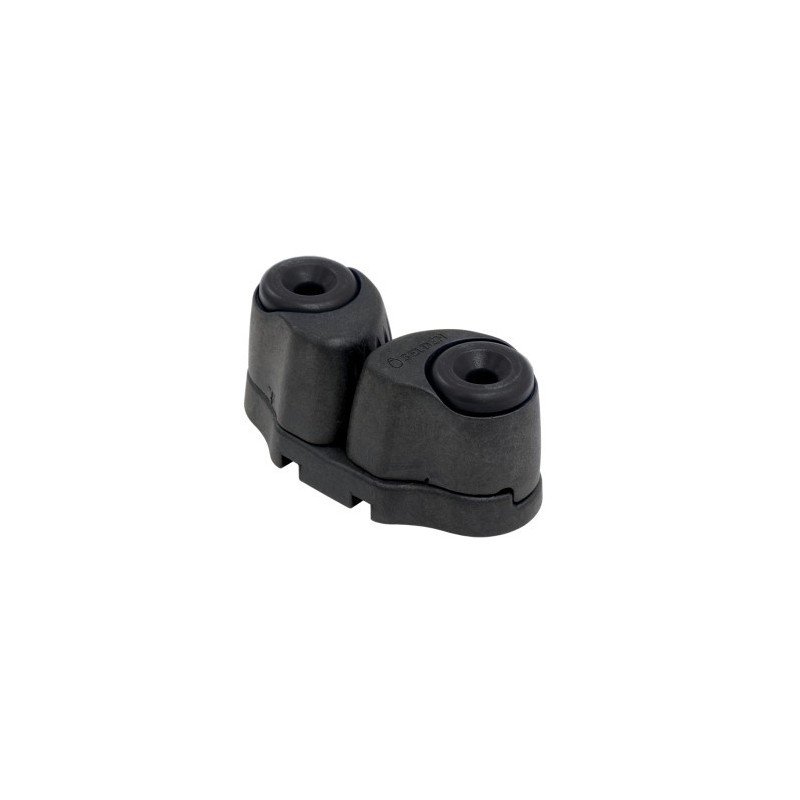
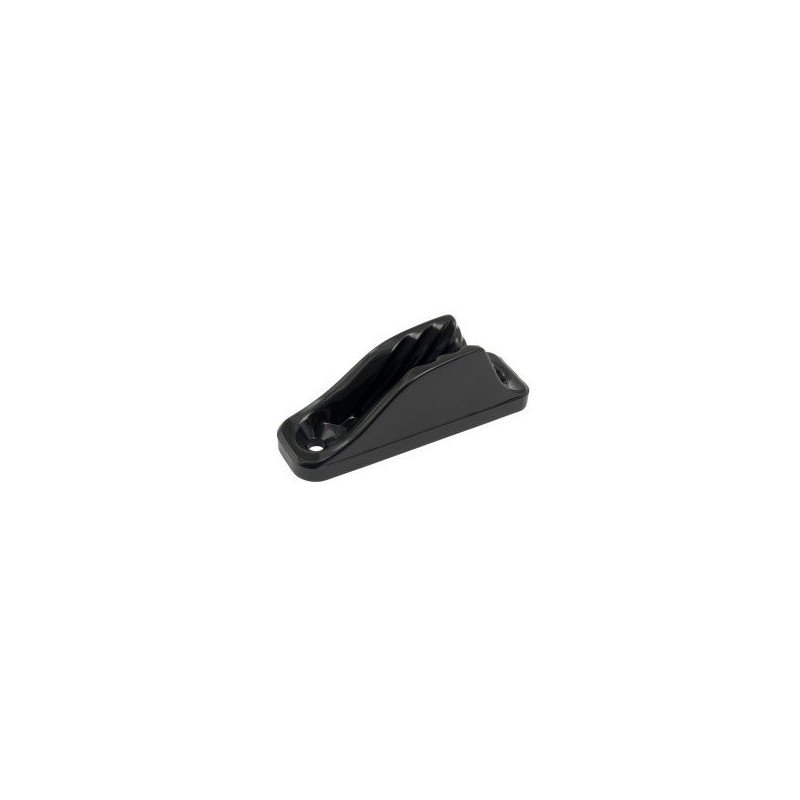
Cam cleats
A cam cleat grips a rope between spring-loaded cams and allows the line to be engaged and released quickly. They are widely used for controls that need frequent adjustment.
Correct rope diameter is important. A line outside the manufacturer's recommended range may not grip or release as intended. The lead angle into the cleat is also important, and some installations use a fairlead or guide to keep the rope entering at a suitable angle.
Browse our cam cleats.
Valley cleats
Valley cleats provide another compact way of securing a control line. As with any cleat, the particular model needs to match the rope diameter and installation arrangement.
Check fixing centres and fastener size when replacing an existing cleat, particularly where the original deck holes are to be reused.
Browse our Valley cleats.
Rope clutches
Rope clutches are commonly used where halyards and control lines are led aft to a winch. They allow the line to be held after adjustment so that the winch can be released for another job.
A clutch should be selected using both rope diameter and the manufacturer's load guidance. Rope construction and condition can also influence grip and wear.
If you are replacing a rope clutch, identify the manufacturer, model and permitted line diameter before selecting an alternative.
Which system suits the line?
Think about how the line is actually used. A control that is continuously adjusted while sailing benefits from rapid engagement and release. A halyard that is tensioned on a winch and then left secured has a different operating requirement.
Also consider where the crew will stand and whether the line can be operated safely without awkward angles or interference from neighbouring deck hardware.
Line diameter and condition
Do not select a cleat or clutch only by physical size. Check its published rope range. A heavily glazed, flattened or damaged rope can also behave differently from a new line of the same nominal diameter.
If a line repeatedly slips from equipment that previously held it correctly, inspect both the rope and the holding surfaces before assuming that only one component needs replacement.
Mounting and lead angle
The mounting structure must be capable of carrying the expected load. The line should approach the fitting in the direction intended by the manufacturer, without rubbing across surrounding hardware.
Guides and fairleads can help create a controlled lead, but each additional change of direction also adds friction and introduces another loaded fitting.
Inspection
Check moving cams and mechanisms for free operation and inspect teeth, contact surfaces, springs, fasteners and the surrounding deck. Salt and debris can affect movement, while worn gripping surfaces may damage rope or reduce holding performance.
For the wider deck layout, see our Yacht Deck Hardware Guide.