
Deck hardware is a working system rather than a collection of individual fittings. Blocks, winches, cleats, travellers, organisers and fairleads all influence how easily a sail can be trimmed, how efficiently a control line runs and how the loads are transferred into the deck and rig.

This guide brings the main types of yacht deck hardware together and explains what to consider when replacing worn equipment, changing a deck layout or upgrading a sail-control system. For existing installations, the safest starting point is normally to identify the original equipment, rope diameter, attachment arrangement and expected load before selecting a replacement.
Choosing sailing blocks
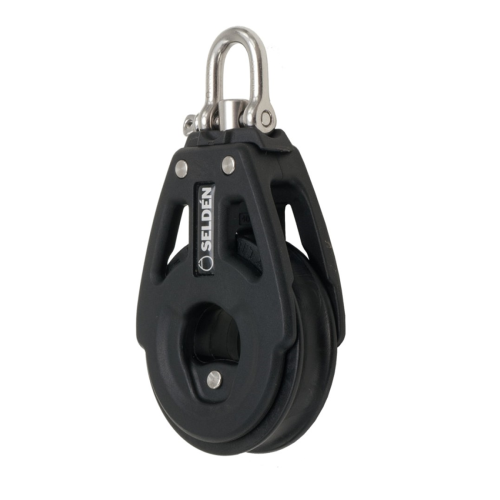
Blocks redirect rope and form tackles, purchases and control systems. The correct block depends on much more than sheave diameter. Rope size, safe working load, bearing type, attachment, alignment and the number of sheaves all matter.
Sailing Blocks Explained explains the differences between plain-bearing, ball-bearing, roller-bearing, ratchet and high-load blocks. If you already know the type of block required, browse our plain-bearing blocks, ball-bearing blocks, roller-bearing blocks, high-load blocks and ratchet blocks ranges.
For a more technical approach, How to Size a Sailing Block covers rope diameter, sheave size, safe working load and breaking load.
Winches for sheets and halyards
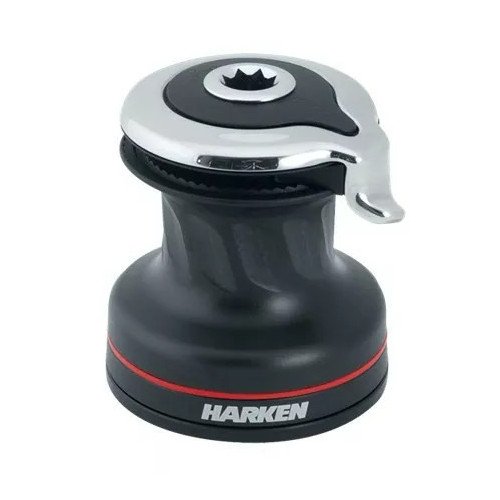
Winch choice depends on the load being handled, the sail plan, how the boat is crewed and where the winch will be installed. Self-tailing winches can make trimming and hoisting easier for short-handed crews, while larger or powered systems may be appropriate where loads are high.
Our existing Harken winch comparison and sizing guide provides a useful comparison of Harken winch types and sizing. You can also browse Harken winches and Seldén winches in the shop.
Cam cleats, Valley cleats and rope clutches
A line-holding fitting needs to match both the rope and the way that control is used. A frequently adjusted dinghy or yacht control line has different requirements from a halyard that needs to remain securely held for long periods.
Cam Cleats, Valley Cleats & Rope Clutches Explained explains the differences and the points to check before choosing. Our commercial ranges include cam cleats and Valley cleats.
Mainsheet travellers and track systems
A mainsheet traveller changes the position from which the mainsheet load is applied and gives the crew another way to control mainsail shape and boom position. The track, car, end controls, blocks and mounting structure need to work together as one system.
Mainsheet Travellers & Track Systems Explained looks at the main choices involved. You can also browse our tracks and traveller systems range.
Deck organisers, fairleads and line routing
Running rigging often needs to change direction between the mast, coachroof and cockpit. Deck organisers, fairleads and sheet leads help create a controlled rope path while keeping halyards and control lines separated.
Deck Organisers, Fairleads & Sheet Leads Explained covers line routing, alignment and mounting. Browse deck organisers and sheet leads and fairleads for the associated hardware.
Start with the load and the rope
When replacing deck hardware, do not select a fitting purely because its external dimensions look similar. Check the manufacturer's safe working load, breaking load where published, maximum line diameter, attachment size and the direction in which the fitting is designed to work.
The rope matters too. A line that is too large can run poorly through a sheave or cleat, while a line that is too small may not grip correctly in equipment designed around a particular diameter range.
Check the complete installation
Loads do not stop at the block, traveller or winch. They pass into shackles, padeyes, tracks, fasteners, backing structures and the deck itself. When changing a system, check the complete load path rather than simply fitting a higher-rated component to an unsuitable attachment point.
Existing yachts may also have been modified during previous refits, so do not assume the equipment shown in an original brochure is still fitted to the boat.
Inspection and replacement
Deck hardware should be checked periodically for corrosion, cracking, distorted fittings, worn sheaves, seized bearings, excessive movement, damaged fasteners and rope wear. Equipment that does not rotate or align correctly can add friction and create unnecessary load elsewhere in the system.
If you are unsure about a replacement or are planning a change to the deck layout, Martin Leaning Masts & Rigging can help identify the existing hardware and discuss suitable replacement options.