

Keeping your Seldén Furlex clean and correctly maintained helps the sail furl smoothly and reduces wear on the drum, halyard swivel and associated fittings. Most routine checks are straightforward, but the correct procedure depends on the model and age of the unit.
Identify your Furlex before servicing
Furlex units have been produced in several generations, including the older 100S–400S ranges and the later 104S, 204S, 304S and 404S. Components and service procedures are not necessarily interchangeable. Identify the model, check the forestay diameter where relevant and consult the correct Seldén manual before dismantling anything.
Our Furlex spare parts and manuals information is a useful starting point, and we can help identify older units from photographs.
Seldén Furlex Models
Compare the current manual Furlex range. Yacht lengths are indicative; check your exact model and forestay specification before choosing parts or a replacement.
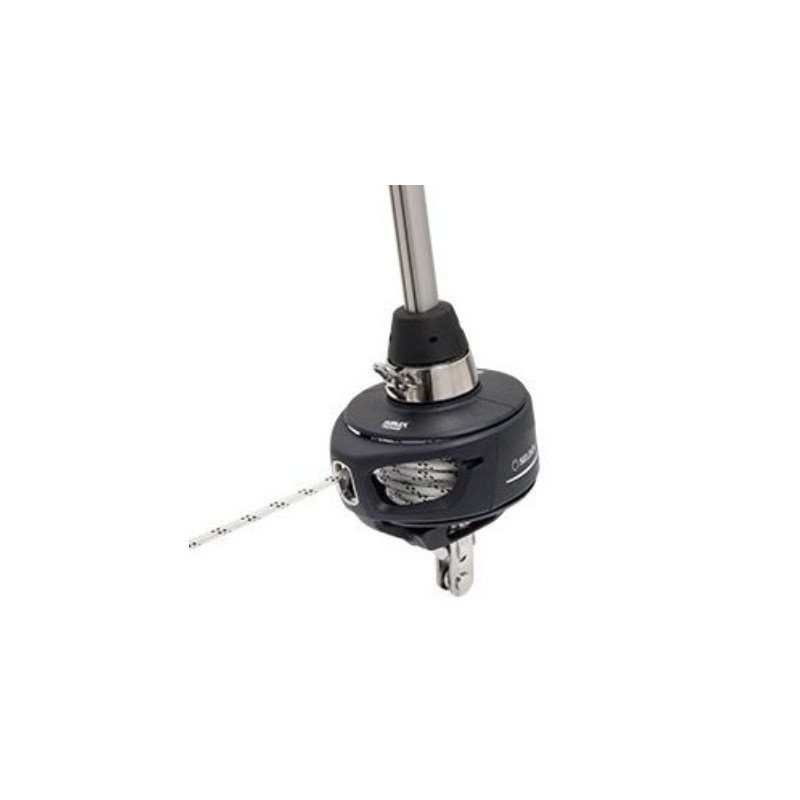 Furlex 104S
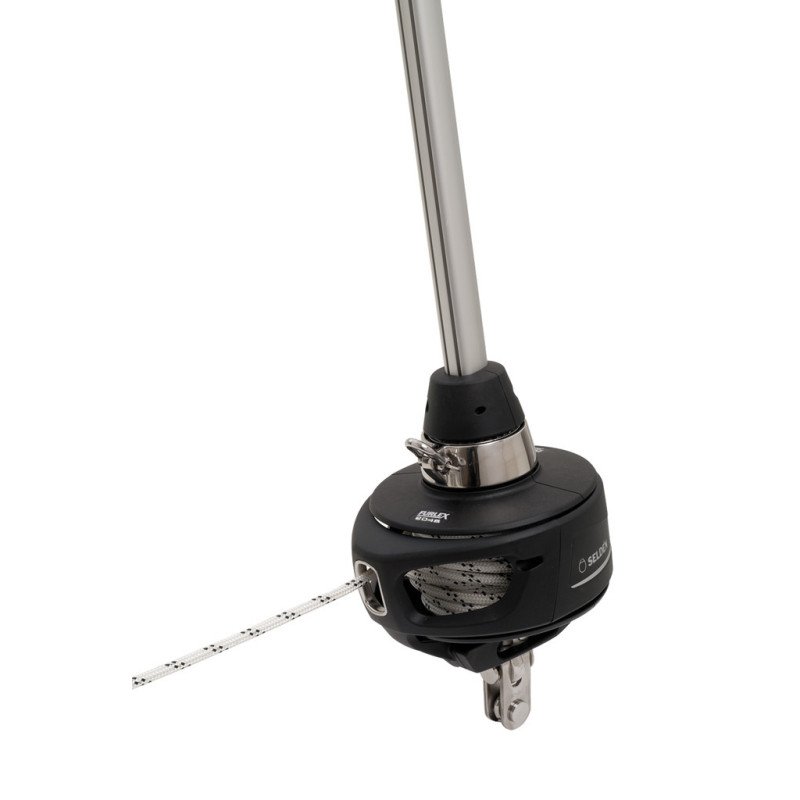 Furlex 204S
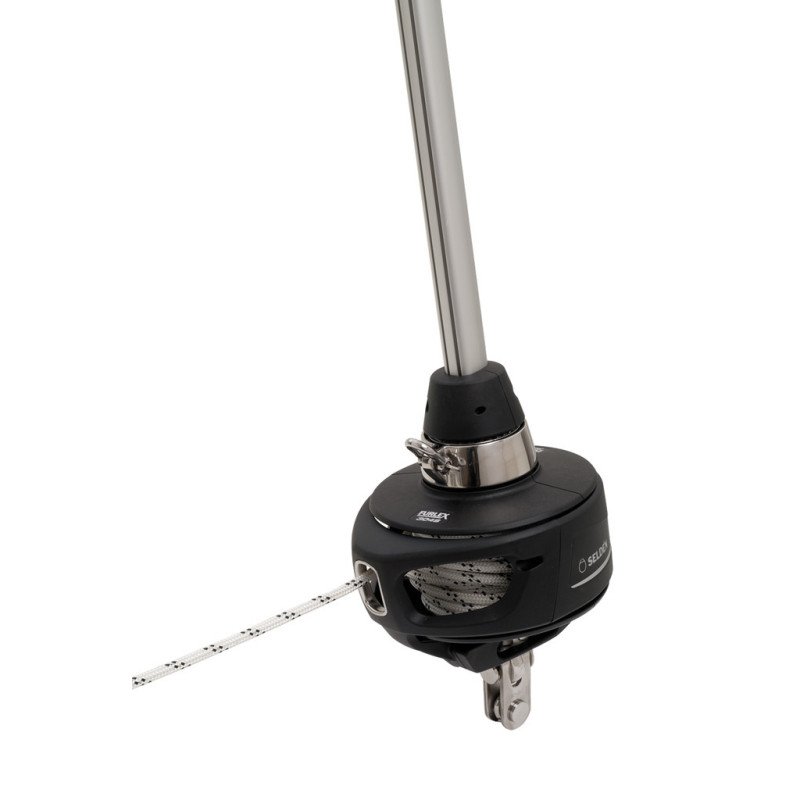 Furlex 304S
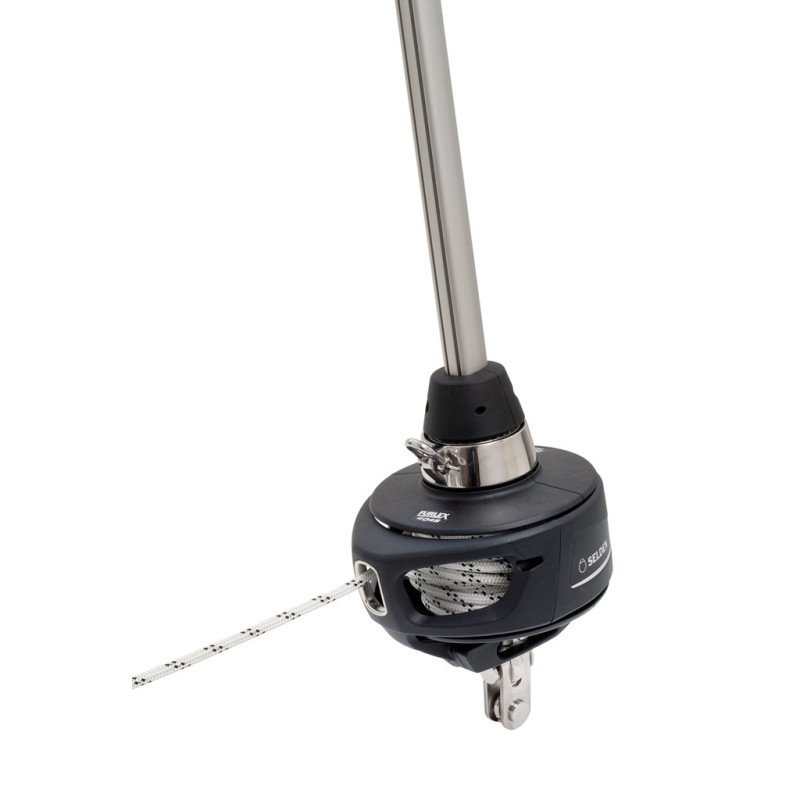 Furlex 404S
Routine checks
- Rinse away salt and dirt. Wash the drum, accessible swivel parts and external fittings with fresh water, particularly after a salty passage. Do not blast water into bearing assemblies with a pressure washer.
- Check the furling line and leads. Look for chafe, glazing, excessive friction and poor lead angles. The line should enter the drum cleanly, without rubbing on the guard or nearby fittings.
- Inspect the halyard swivel. It should turn freely and travel without snagging. Check for damage, unusual noise or wear, and confirm that the halyard lead geometry prevents a halyard wrap.
- Inspect the foil and sail feeder. Look for damaged extrusion joints, loose or missing fittings and sharp edges that could damage the sail.
- Check the lower terminal and toggle. Look for corrosion, movement, bending, damaged pins and inadequate articulation. These are part of the forestay load path, not simply furling accessories.
- Lubricate only as specified. Seldén procedures and lubrication points vary by generation. Use the specified lubricant and intervals; do not assume that every bearing should be packed with grease.
Why a Furlex becomes difficult to turn
A stiff furler is not always a drum problem. Common causes include a poorly routed furling line, a loaded or damaged halyard swivel, excess halyard tension, damaged foil components and a halyard wrap around the forestay. A halyard wrap can damage the forestay and must be investigated before further operation. Do not force a jammed unit with a winch.
If the system becomes hard to operate, first reduce sail load safely and check the visible line route. A persistent problem calls for a more thorough inspection, including the forestay and terminals where appropriate.
When should you arrange a professional service?
Arrange an inspection if you notice cracking, significant corrosion, distortion, rough bearings, recurrent jamming or evidence of a halyard wrap. The same applies when the service history is unknown or the forestay is due for replacement. Certain repairs require the furler to be dismantled, which may mean removing the forestay or lowering the mast.
A forestay inside a Furlex extrusion is not automatically defective because of its age, but it cannot be assumed sound without considering its service history and the limits of inspection. Where the foil has to be dismantled for replacement, the existing wire may need to be cut and replaced depending on the terminal arrangement.
Furlex servicing checklist
| Check | What to look for |
|---|---|
| Drum and line guard | Smooth operation, wear, corrosion and clean rope entry |
| Furling line and blocks | Chafe, poor alignment and unnecessary friction |
| Halyard swivel | Free movement, wear and correct halyard lead |
| Foil and feeder | Damage, loose joints and sharp edges |
| Forestay terminal and toggle | Corrosion, distortion, secure pins and articulation |
| Model-specific lubrication | Correct points and products identified in the manual |
Need help with your Furlex?
We supply Seldén Furlex spare parts, replacement forestays and complete furling systems. If you can send us the Furlex model and photographs of the drum, halyard swivel and any damaged parts, we can advise on the next steps. Contact Martin Leaning Masts & Rigging.
Important: Follow the manual for your exact Furlex model. Do not dismantle loaded standing-rigging components or continue using a unit that may have damaged the forestay.
Need Help With Your Furlex?
We can help identify your Furlex model, supply replacement parts and advise on servicing or replacement.
Explore Related Guides
Further practical advice from our rigging team to help you plan maintenance and replacement work.