
Yacht Standing Rigging Terminals & Fittings
Standing rigging terminals connect the stainless steel wire in your shrouds and stays to the mast, chainplates, rigging screws and other attachment points. Selecting the correct terminal is just as important as selecting the correct wire diameter because the fitting must match both the wire and the attachment it connects to.
Common yacht standing rigging terminals include threaded studs, eyes, forks, T-terminals, stemballs and mechanical terminals. Rigging screws, toggles and associated clevis pins then form part of the complete connection between the wire and the yacht.
Swaged vs Mechanical Standing Rigging Terminals
Swaged Terminals
A swaged terminal is permanently attached to the wire using specialist swaging equipment. Swaged fittings are widely used for professionally manufactured yacht standing rigging because they provide a compact and purpose-designed connection.
Typical swaged standing rigging fittings include:
- threaded stud terminals
- eye terminals
- fork terminals
- T-terminals
- stemball terminals
Mechanical or Swageless Terminals
A mechanical terminal, such as a Sta-Lok fitting, is assembled onto the wire without a hydraulic swaging machine. These fittings can be useful where a terminal needs to be installed on board or where the final wire length is being established in situ.
The terminal components must be suitable for the wire diameter and wire construction. A fitting or internal wedge intended for 1x19 wire should not automatically be assumed to be suitable for compacted strand or another wire construction.
Common Yacht Standing Rigging Terminal Types
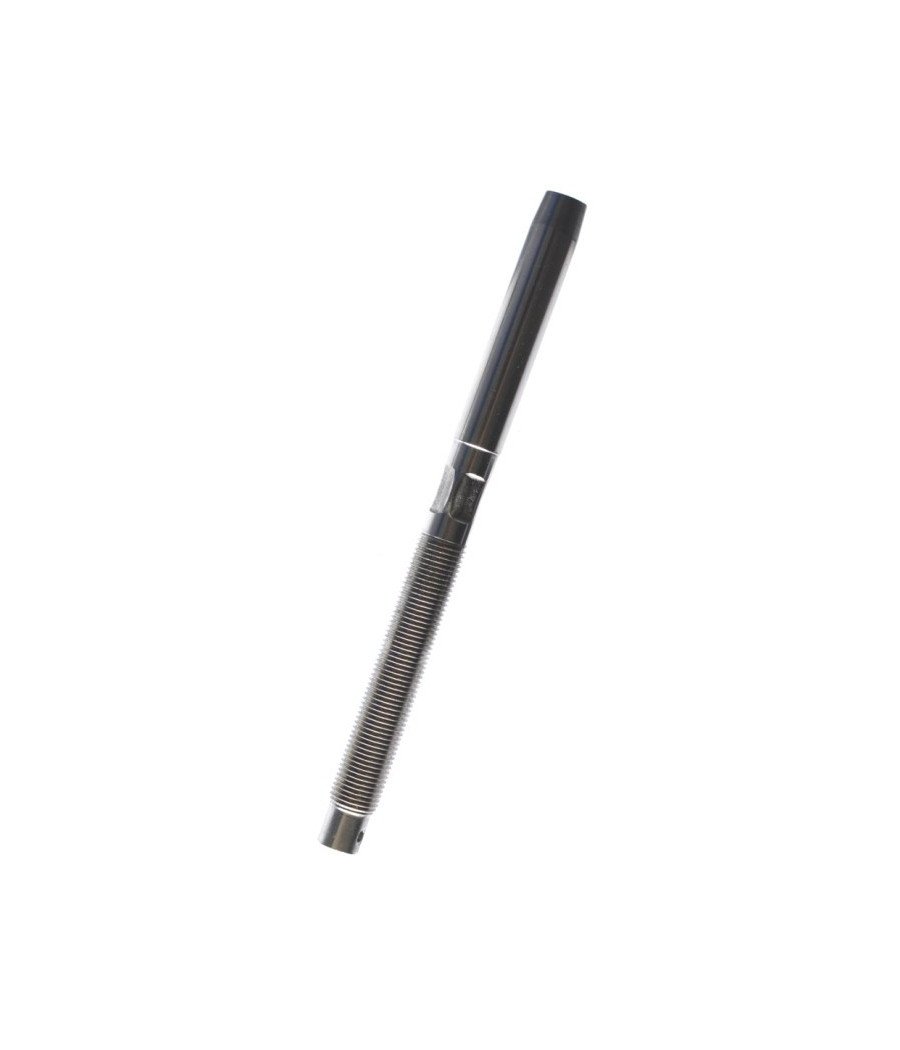
Threaded Stud
A swaged threaded terminal commonly used with a rigging screw or turnbuckle.
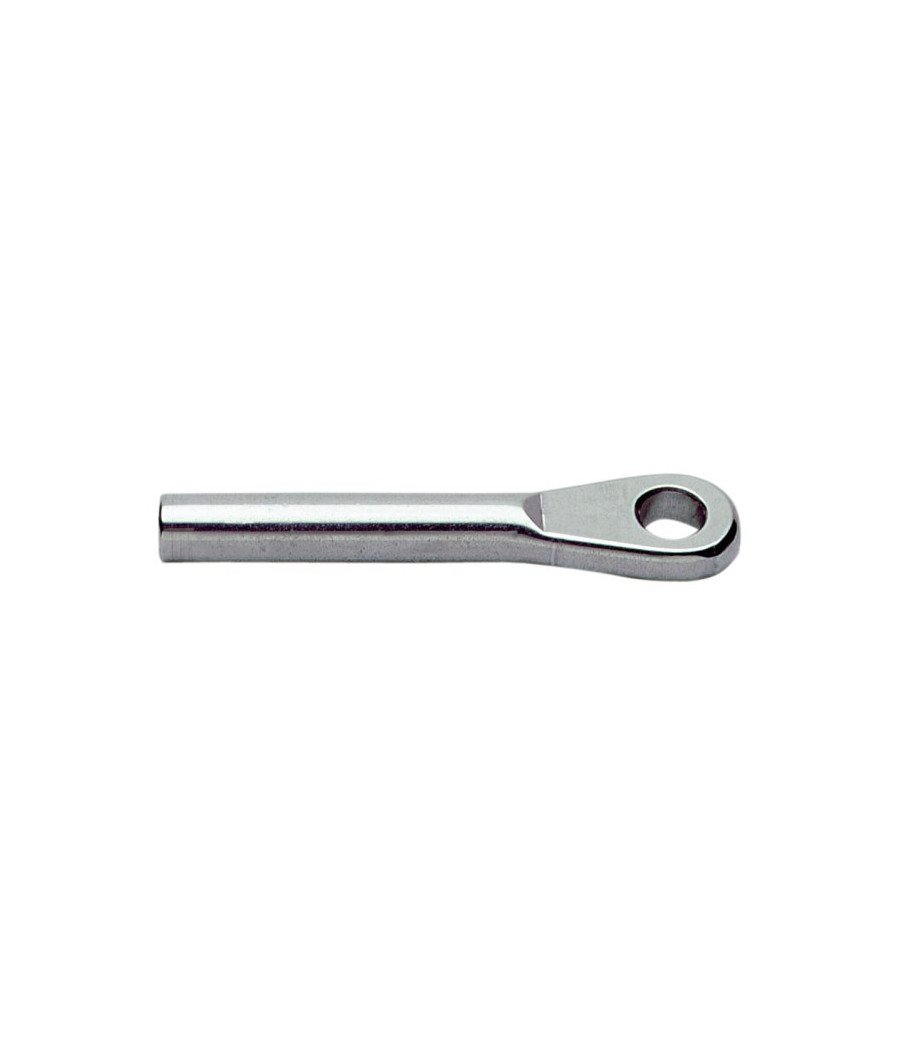
Eye Terminal
A swaged eye provides a simple pin connection to a suitable tang, toggle or fitting.

Fork Terminal
A fork terminal connects around a tang or fitting using a clevis pin.

T-Terminal
A compact mast attachment used with the correct matching backing plate or receiving fitting.
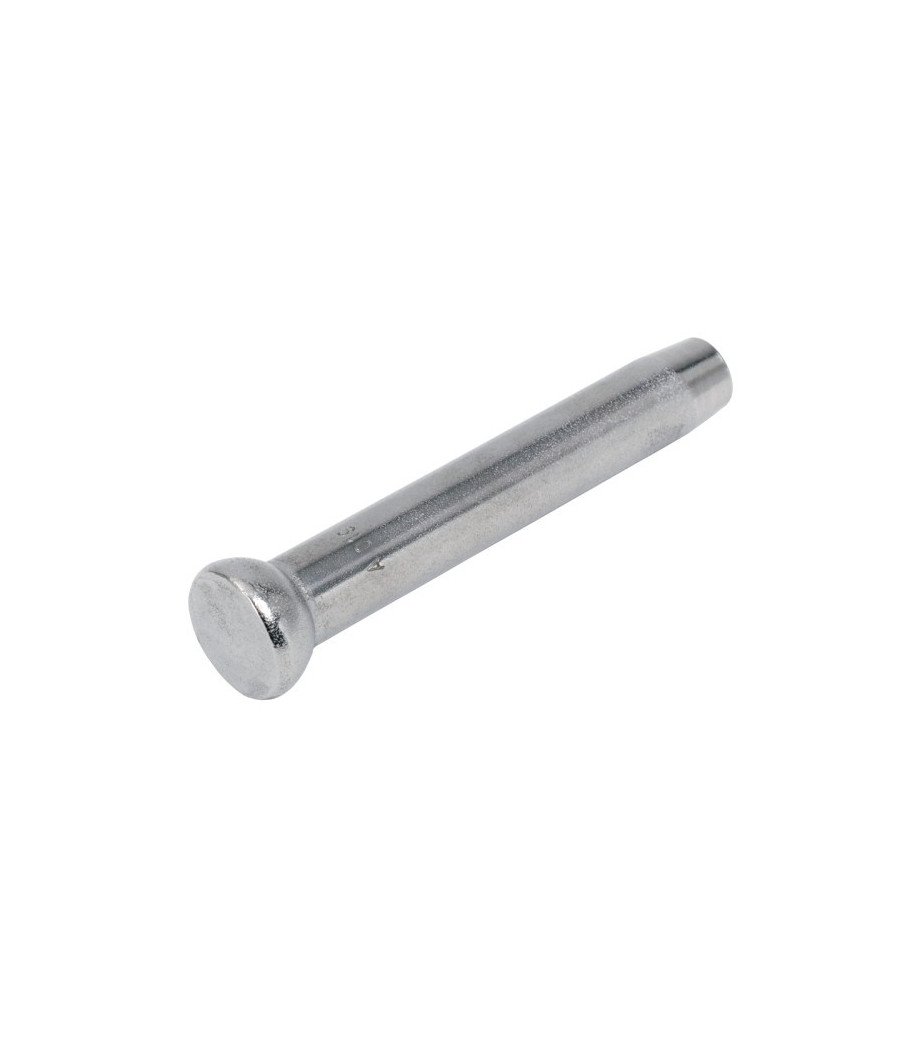
Stemball
A rounded terminal designed to articulate within the corresponding mast or rigging fitting.
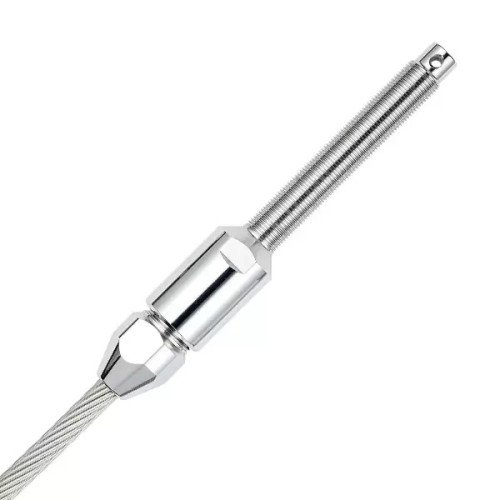
Mechanical Terminal
A reusable swageless fitting assembled mechanically onto the standing-rigging wire.
1. Threaded Stud Terminal
A threaded stud is swaged or mechanically fitted to the end of the wire and normally screws into a rigging screw or other threaded fitting.
When replacing a stud terminal, confirm:
- wire diameter
- thread diameter
- thread type and pitch
- the rigging screw or fitting it connects to
Do not identify a replacement stud from the wire diameter alone. Different thread sizes can be used with different rigging arrangements.
2. Eye Terminal
An eye terminal has a fixed hole through which a clevis pin, bolt, shackle or other suitable attachment passes.
When specifying an eye terminal, record both the wire diameter and the inside diameter of the eye. The finished rigging length is measured to the appropriate bearing surface of the eye.
3. Fork Terminal
A fork terminal fits over a tang, chainplate or other attachment fitting and is secured with a clevis pin.
Important dimensions include:
- wire diameter
- clevis-pin diameter
- internal width of the fork
The fork must provide the correct fit without forcing the yacht fitting or introducing unwanted side loading.
4. T-Terminal
T-terminals are commonly used where a shroud or stay connects directly into a purpose-designed backing plate or mast fitting.
The terminal and backing plate form a matched system. A terminal should therefore be identified by more than its general shape: confirm the manufacturer, wire diameter and the backing plate or mast fitting into which it is designed to locate.
In particular, Seldén T-terminals must be used with the corresponding Seldén backing plates. Do not mix terminal and backing-plate systems simply because the fittings appear physically similar.
5. Stemball Terminal
A stemball provides an articulated connection where the shaped terminal sits in a compatible cup, socket or rigging fitting. Stemballs are commonly encountered at mast and spreader attachments and are also used with some rigging-screw arrangements.
When replacing a stemball, confirm:
- wire diameter
- stemball dimensions
- the cup or socket into which it fits
- whether any additional cup or adapter is fitted
The complete assembly should be recorded before the old standing rigging is removed or dismantled.
6. Mechanical Terminals
Mechanical standing rigging terminals are available in configurations such as eyes, forks and studs. They use internal cones or wedges to grip the wire mechanically rather than relying on a machine swage.
They are particularly useful where a terminal must be assembled in situ. Follow the fitting manufacturer's instructions carefully and ensure that the internal components are correct for the wire size and construction being terminated.
Rigging Screws and Turnbuckles
A rigging screw, also commonly called a turnbuckle, provides the adjustment used to tension a shroud or stay. It is part of the complete standing rigging assembly even though it is not itself the termination of the wire.
Common arrangements include:
- stud / fork
- fork / fork
- stud / toggle
- fork / toggle
- stud / eye
- stemball combinations
When replacing a rigging screw, confirm the thread size, clevis-pin diameter, fork width and end configuration. See our guide to Seldén rigging screws for more information.
What Is a Toggle?
A toggle allows a standing rigging connection to articulate and helps accommodate changes in alignment as the rig is loaded. Correct articulation is important because a rigid or poorly aligned connection can place undesirable bending loads into the terminal or adjoining fitting.
A toggle must be appropriately sized for the fitting, pin and load path it connects to.
What Measurements Do I Need for a Replacement Terminal?
When identifying existing standing rigging, record more than just the wire diameter. Depending on the type of terminal, useful measurements include:
| Terminal | Measurements / Details to Record |
|---|---|
| Stud | Wire diameter, thread diameter and thread type |
| Eye | Wire diameter and eye-hole diameter |
| Fork | Wire diameter, pin diameter and internal fork width |
| T-terminal | Wire diameter, terminal manufacturer/type and matching backing plate |
| Stemball | Wire diameter, ball dimensions and cup/socket arrangement |
| Rigging screw | Thread size, pin diameter, fork width, end arrangement and adjustment setting |
Photographs taken before dismantling the existing rigging are extremely useful. Photograph the terminal itself, the fitting it connects to and any cups, toggles, backing plates or adapters used in the assembly.
For finished-length measurement instructions, see our guide to measuring standing rigging.
Can I Change to a Different Terminal Type?
Do not assume that one terminal can simply be substituted for another because it fits the same wire diameter. The terminal must also suit the mast or deck fitting, provide the necessary articulation and maintain the correct finished length and load path.
If you want to change an existing terminal arrangement, the complete connection should be considered rather than selecting a replacement fitting in isolation.
Choosing Replacement Standing Rigging Terminals
If you are identifying terminals as part of a self-managed re-rig, our supported supply-only standing rigging service includes help reviewing photographs, terminal types and measurements before manufacture.
If you are replacing yacht standing rigging, the safest starting point is to identify and record the existing wire, terminal dimensions and attachment fittings before ordering.
If you are unsure which fitting is required, send our rigging team clear photographs and dimensions or arrange to send your existing standing rigging to our Port Solent workshop so that it can be used as a template.
Visit our Standing Rigging section to configure custom replacement shrouds and stays or request an estimate for a complete yacht re-rig.
Ready to Price Your Replacement Rigging?
Choose the quickest way to get a more accurate cost for your yacht.